Tuesday, November 5, 2024

Mock Trial (Brown v. Board)

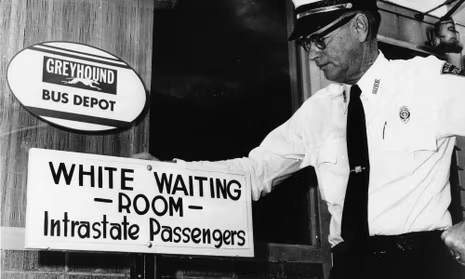
In 1896, the supreme court chiefed by Melville Fuller ruled against Homer Plessy’s claim the segregated rail cars violated the equal protections clause of the fourteenth amendment. In this landmark case, the separate but equal doctrine was established and legally unchallenged for over half a century. Such a proceeding concluded the reconstruction era and represented the dawn of the Jim Crow era of American history. 

The term “Jim Crow” originated from a minstrel character portrayed by Thomas Dartmouth Rice in the early nineteenth century. Within the performance, Jim Crow was a foolish and illiterate black man. Unfortunately, this figure became a derogatory stereotype for African Americans and exemplified the racist ideals of segregation. 


Soon after the Plessy v. Ferguson's case upheld the Louisiana state law enabling segregation on state railroads, racial separation spread rampantly across the south into other forms of accommodations. In horror, black Americans in the south watched as schools, businesses, sports, and other sectors of public life implemented segregational practices. Although greater racial progress had been made in the north, similar policies were implemented and followed; housing discrimination are impartial lending policies, examples of attempts in the North to exclude black people from white communities. 


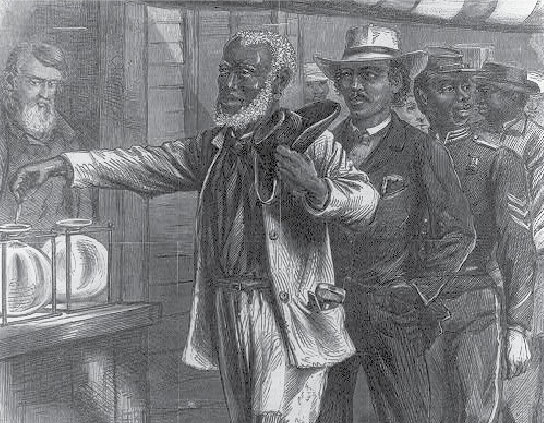
Expectedly, African American citizens were abhorred by these policies that aimed to limit their freedoms. While there were protests and movements to reverse these discriminatory policies, the violent tactics of white supremacist groups, such as the Ku Klux Klan and the Red Shirts, annihilated any momentum. Furthermore, policies were implemented to disenfranchise African Americans and prevent opposition to Jim Crow Laws. These measures included impartial voting requirements such as grandfather clauses and poll taxes.


It was not until the middle of the twentieth century that black Americans began to recover their freedoms. One of the most pivotal supreme court rulings of this era was the Brown v. Board of Education which took place in 1954. While there were ardent arguments made for both sides using ethical, economic, historic, and cultural rationale, the all powerful Judge Smith ruled in the favor of Brown on the basis that separate could never be equal.


The most prevalent implication of such a ruling is the desegregation of schools throughout the nation. In the decades following this resolution, African Americans will slowly integrate into the American education system, starting with the Little Rock Nine. At the same time, the spirit of integration disseminated throughout all facets of American livelihood, reaching into sports, theatres, and public transportation.


Below is a legal argument in favor of the board of education presented before the judgeship.  


As we convene to discuss Linda Brown’s right or lack thereof to attend Sumner Elementary School, we must consider previous proceedings of similar origin to ensure consistency within constitutional interpretation. By scrutinizing the logic used in former cases, we can ascertain the correct ruling that will provide the greatest benefit for the majority of the population. 


The first major case involving segregation in education and the educational rights of African Americans developed nearly fifty years ago with the Reynolds v. Board of Education Topeka in 1903. Within this case, all races attended the same school before it tragically went up in flames in 1900. In the aftermath, the city constructed a new school building for white students and moved an old building into town for black students. Outraged, the defendant maintained that his child should be allowed to attend the newly built school under the equal protection clause of the fourteenth. After much consideration the Kansas court protected the Board of Education citing the correspondence between an 1877 law that enabled the “operation of separate school”  and the precedent established in Plessy v. Ferguson. Furthermore, the court argued that policies within the fourteenth amendment did not supersede Kansas law. 


In a similar case, Mamie Richardson sued the Board of Education Kansas City in 1906 for denying her enrollment in Morning High School. In a sentiment that matched that of the 1903 Reynolds act, the Kansas court upheld the constitutionality of separate schools. 


A slightly different case emerged in 1908 with Williams v. the Board of Education Parsons wherein African Americans were designated to attend one of four elementary schools in the county. The plaintiff fought to remove their child from the all black school for safety concerns as the colored school was located near seven extremely dangerous railroad junctions. While the court granted Williams with relief, it refused to consider the enrollment of William’s child into a safer school reserved for white people. Consequently, the law that enabled separate schools for the races was reinforced once more. 


Most recently, in the 1929 case Wright v. The Board of Education Topeka upheld the sentiment that the operation of separate schools of the races was constitutional and lawful. In this case Wilhelmina Wright transferred to the all black Buchanan School from the Randolph school reserved for white citizens. While the Kansas Supreme Court found the two schools to be equal, it was accepted that the transfer presented an unequal access to education. However, this ruling was based on the greater distance between Buchanan and the plaintiffs residence. Instead of reversing the law for separation of schooling, the courts mandated that the Buchanan school provide buses to alleviate the issue of transportation.


In all of four of the cases that we have reviewed, a singular sentiment rings true. The schooling system in the state of Kansas is lawful and in line with the separate but equal doctrine instituted in the 1896 Plessy V. Ferguson decision. Considering the wisdom of these cases, we ought to protect the right of the Kansas schooling district to operate separate schools. 


In order to rule against the Board of Education in the present case, the court would have to overturn the landmark decision made in 1896. Such an action should not be taken lightly as three landmark cases have ever been overturned in American history up to this point, the Parish, Barnette, and Gobitis cases. 
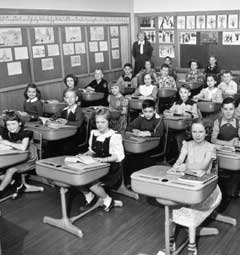

Rather than impose a radical ruling, the court should consider remedying Linda Brown’s current situation to ensure that she is granted equal access to education, a method which has been applied effectively in the past. Perhaps a better busing system as proposed in the Wright case or a rerouting of the train tracks could provide the student with easier and safer access to her school. In accordance with the Plaintiff's complaint of inferior quality, the city can delegate greater resources, hire more qualified teachers, and remodel the all black school to ensure equal opportunity. With the aforementioned measures, the city of Topeka can ensure its schooling systems uphold the equality promised in the separate but equal doctrine. 


In conclusion, your honor, we implore you to uphold the decision made in the Plessy case, but demand the

augmentation of the Topeka schooling system.

Sunday, November 3, 2024

In the Heat of the Night Reaction

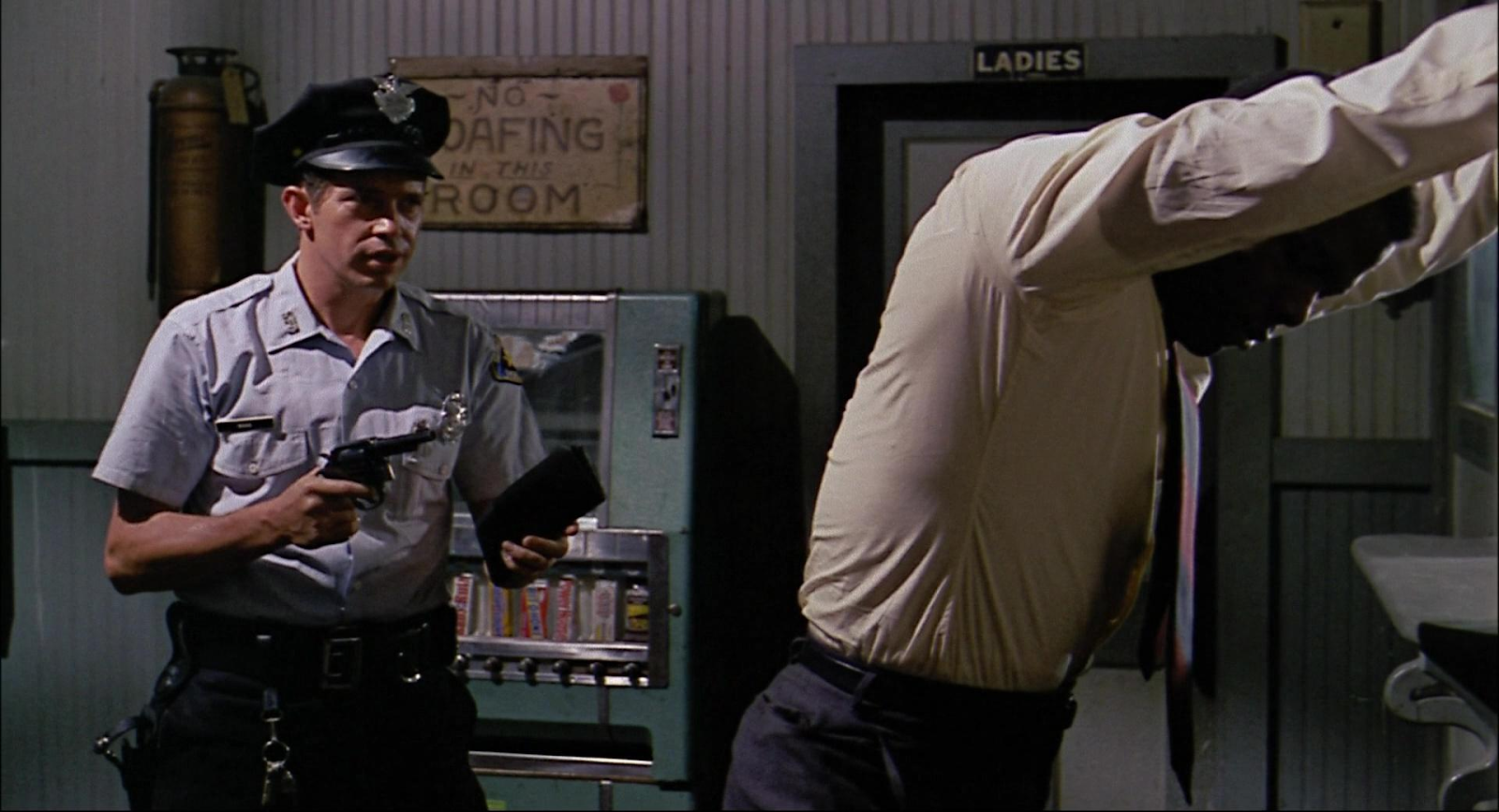
Filmed in 1966 and directed by Norman Jewison, In The Heat of The Night portrayed the American. way of life in the 1960's. The opening portions of the movie follow Police Officer Sam Wood as he patrols the small town of Sparta, Mississippi. Eventually, Officer Wood turns down a dark alley, discovering the body of Phillip Colbert at an intersection with a main road.

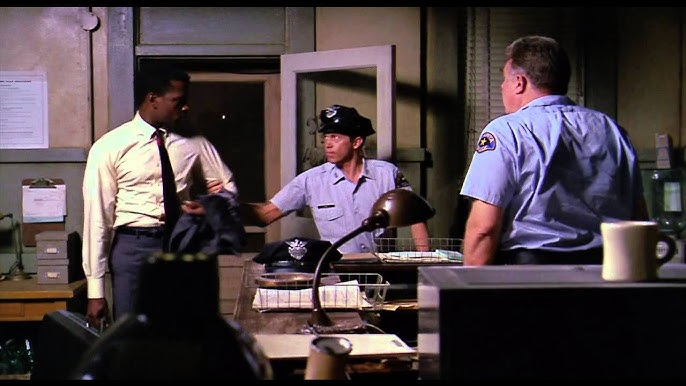
Before long, the town's doctor and chief of police responded to the scene. After the Doctor Stewarts estimated the time of death to be within several hours of the discovery, Police Chief Bill Gillespie ordered Officer Wood to search for potential suspects involved with the case. The officer would search several potential locations before arriving at the train station where he would encounter Mr. Virgil Tibbs. Despite Virgil's calm demeanor and passive body language, Sam drew his gun, searched, and took Mr. Tibbs to the police station for questioning. 

This scene is important because it highlights to implicit racism that lingered in the south after generations of slavery. Office Wood had no reason to suspect Mr. Tibbs for the murder of Colbert and even less reason to draw his sidearm given Tibbs' body language. Therefore, Sam's behavior can be attributed to bias derived from Virgil's status as a black man. It was not uncommon for southerners to blame African Americans for crimes during this era due to a misguided perceptions.


Moreover, Sam's dialog reinforces this narrative. Over the course of the interaction, the police officer repeatedly referred to Virgil Tibbs as "boy." In the present Merriam-Webster dictionary, the fifth definition of the aforementioned word was used to condescendingly address "male servants or enslaved men." Such shameless expression of racism was widespread throughout the south during these years in American history. As a Philadelphia native, Virgil would have been caught off by this experience if it was his first visit to the deep south. 

After the interaction with Sam, Virgil was escorted to the police station to be questioned by the chief of police, Gillespie. Affected by Wood's bias and likely internal bias, the chief developed a similar position which was reinforced by the money found in Tibbs's wallet. Although it was not explicitly announced, Gillespie had deduced that the only possible explanation for Virgil's wealth was theft and potentially murder. Such a conclusion was likely based on Bill Gillespie's perception of the financial and social position of African Americans. 

After proving his innocence, Virgil expectedly collected his belongings with the intention on returning the Philadelphia as soon as possible. Before he could leave, however, Chief Gillespie convinced Mr. Tibbs to join the investigation. Such a decision was likely regrettable, but Virgil's determination to uncover the murder and disseminate justice overpowered his apprehension. 

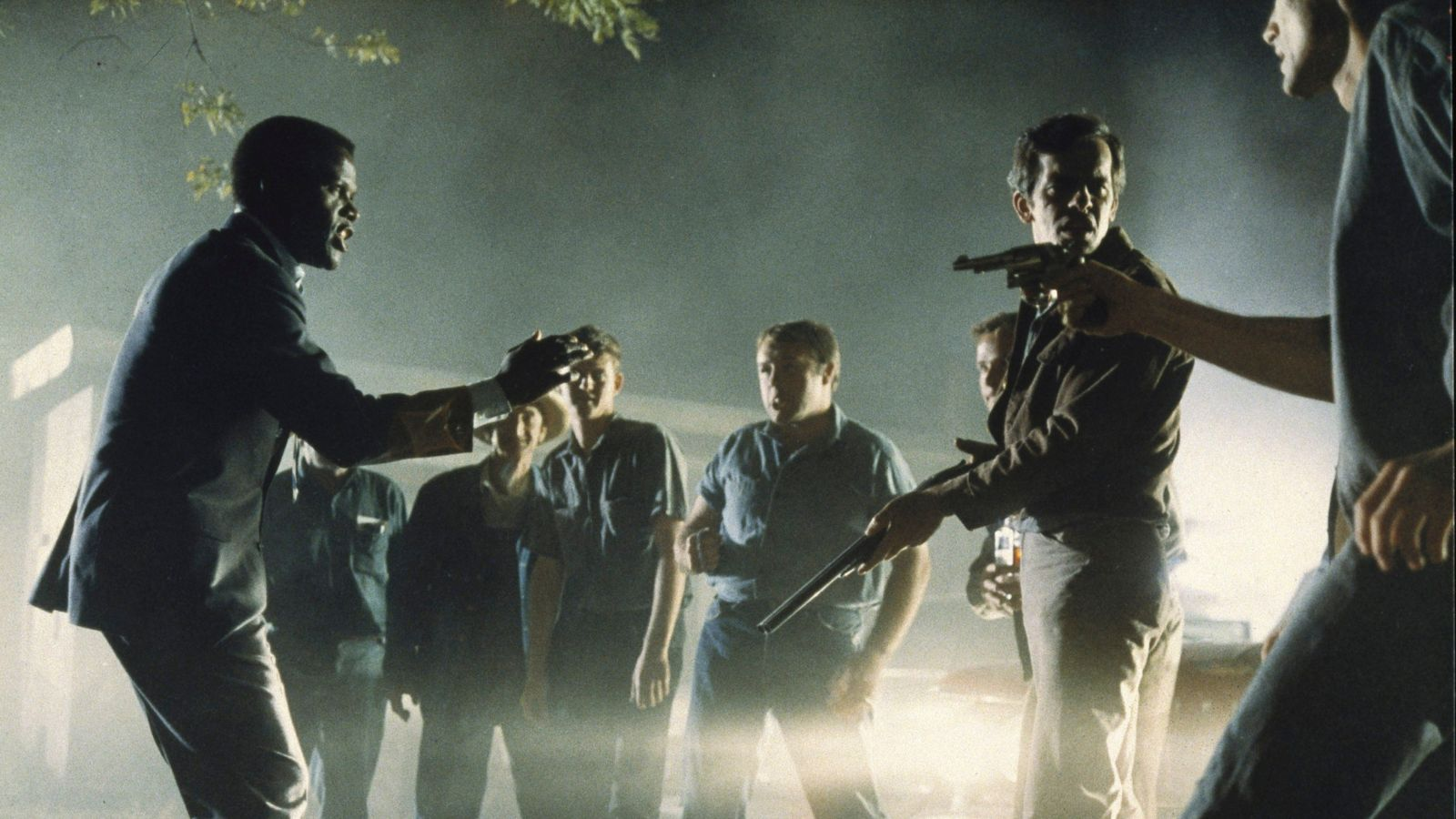
Over the course of his time in Sparta, Virgil Tibbs would experience several instances of racism, both overt and implicit. As a well off black man in a poor community in the deep South, Virgil stood out whenever he went. This was exemplified by several encounters with a group of racists who drove a car with a confederate flag license plate. This detail is significant because it reverberates the living sentiment of the lost cause. To this day and certainly during the time period of the film, some southerners cling to the confederate cause and ideology.

On a separate note, the relationship between Chief Gillespie and Mr. Tibbs is central to the plot of the film. Despite Gillespie's initial prejudice, the two characters develop an amicable relationship by the end of the feature. The progression of the plot element serves as a microcosm for American society as a whole during the time of filming. Similar to Rod Steiner's character, many Americans began to dissociate from generations of racial prejudice and realize the humanity of black Americans. 

This motif is especially prevalent at the end of the nursery scene when Virgil expressed his desire to undermine the rich and powerful Endicott. In response to this comment, Gillespie informed Mr. Tibbs that he was "just like the rest of us." At face value, this phrase signifies that Virgil and the town of Sparta were displeased by Endicott's cotton empire. From a different perspective, however, the chief's remark serves as a symbol of the subtle realization in American culture that black people were similar to white people in more ways than not. 

In all, In the Heat of the Night was a fantastic film that highlighted the great changes that befell the American culture in the civil rights era. From interpersonal interactions to social structures, the movie perfectly encapsulated the struggles of all Americans, from colored peoples to women, during an era of unprecedented progress and change. 

Tuesday, October 29, 2024

Plessy v. Ferguson (Trial Reaction)

In the latter portion of the 1870's, the federal government's dedication to the complete reconstruction of the south began to dwindle. At this point in history, it had become readily apparent that previous and current efforts to reform the south were largely ineffective; southerners violently resisted change and redeemer governments refused to comply with federal policy. Consequently, political forces drove union gradually reduce military and monetary expenditure, directly reflecting a loss in support of reconstruction. 

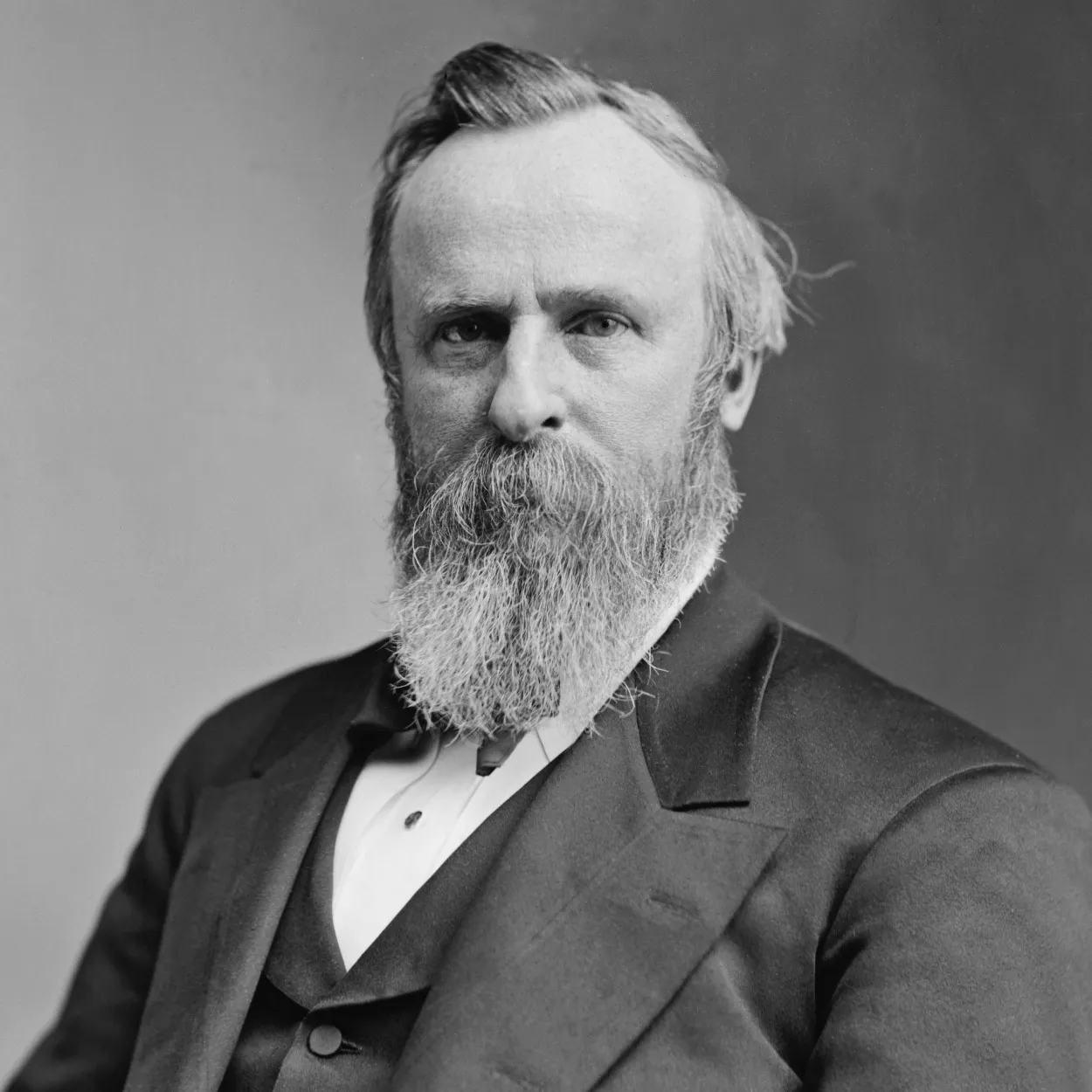
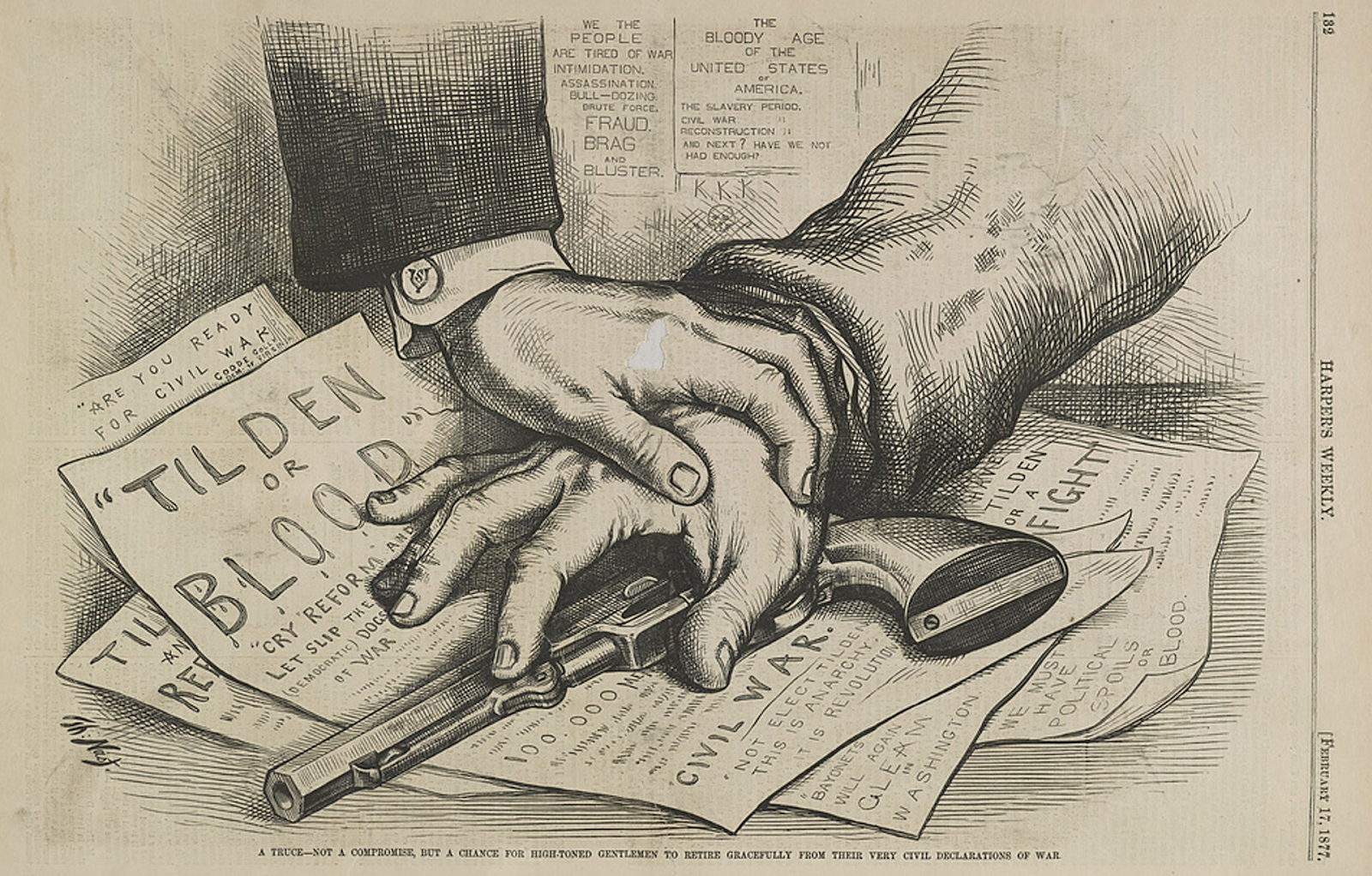
Further complicating the matter was the 1776 election between the republican candidate Rutherford B. Hayes and democratic nominee Samuel J. Tilden. After the polls closed, there was no clear winner as twenty electoral votes from Florida, Louisiana, and South Carolina were disputed. Such votes held an unparalleled significance in the outcome of the election because Hayes trailed Tilden by 19 votes.

 In an effort to resolve the issue, the Electoral Commission Act was passed, anointing a committee of five senators (three republican and two democrat), five representatives (two republican and three democrat), and five Supreme Court justices (2 democrat, 2 republican, and 1 independent). After intense rumination, the committee voted in favor of awarding the twenty contested votes to Rutherford B. Hayes. Outraged, southern representatives threatened to delay the results of the election through nonstop adjournments and filibusters. 

Eager to reach a resolution of the 1876 election, the republican party unofficially agreed to negotiate potential concession. This eventually result of  this negotiation was the Compromise of 1877 wherein the democratic party agreed to accept Haye's victory and respect the rights of African Americans on the conditions that federal troops were withdrawn from the south. Furthermore, Hayes was to include at least on democrat in the presidential cabinet and provide federal support for the Pacific Railroad. Such an agreement is appropriately deemed the end of the reconstruction era as it lead to the consolidation of the democratic party. 

Unfortunately, the southern democrats would fail to uphold their agreement to respect the rights of African Americans. Expectedly, the liberties of black citizen were frequently encroached upon in the South. In Louisiana, there was a law that forbode African Americans from riding on the same train cars as white people. Notably, the train cars designated to colored citizens were of inferior quality. 

Outraged, the black community sought to resist the unjust law through judicial review; it was thought to be abundantly clear that the Louisiana legislation clearly violated the "equal protection" clause of the fourteenth amendment. Determined to contribute to the fight against racial injustice and bring the law under the scrutiny of the supreme court, Homer Plessy bought a first class tickets and boarded a white-only passenger car. 

After refusing to leave, Plessy was arrested and tried for breaking the law. In the regional court, Judge John Ferguson convicted Plessy. In response, Plessy sued the judge on the basis that the Louisiana state law was unconstitutional. The ensuing proceeding was a landmark case that left its mark on American history for nearly a century. 

From a historical perspective, it was argued that the movement from slavery and discrimination was unstoppable. The petitioner asserted that told that segregation was a holdover from a time that should be left behind while simultaneously reasoning that the court had the ability to stand in the way or walk with social change. In a rebuttal, the respondent asserted that segregation is a necessary component of society as long as it did not hurt either race. Additionally, it was argued that the decision on segregation should be left to the states. 

From a economic standpoint, the defense argued that Black Wall Street proves separation is beneficial for both races. Furthermore, integration would be harmful to the safety and security of both races. It the prosecution declared peaceful coexistence is impossible and a stark change would put the stock market at risk of collapse. 

In opposition of these arguments, the petitioner argued that the cost of separate facilities would double expenses and the nation as a whole would fail to progress due to a monetary deficiency. It was also argued that the overall quality of products would go up if segregation was outlawed since the entirety of funds would be directed into a singular service instead of two. 

The most powerful argument for Plessy came from the constitution which asserted that all men are created equal and endowed with unalienable rights such as life, liberty, and the pursuit of happiness. Additionally, Plessy's team reasoned that to ignore a clear violation of the fourteenth amendment would unravel the fabric of democracy. In an attempt to rebut these claims, the state argued that the fourteenth was not intended for social integration. It was argued that the fourteenth implied equal rights for African American, but did not demand social equality. Following this logic, it was reasoned that as long as facilities were equal, segregation was to be permitted. 
In the 1896 decision by the Supreme Court headed by Melville Fuller, the Louisiana state law was upheld, creating the "separate but equal doctrine" and commencing the Jim Crow Era. However, in the 2024 court with Judge Dean Smith residing, it was determined that the state was not being neutral; there was clear disparity between black and white cars which shows the races are not treated equal under the law. For these reasons, the impartial and merciful Judge Smith juxtaposed the 1896 verdict, ruling in favor of Plessy. 

PBS Reconstruction Video Reaction

Immediately following the end of the Civil War in 1865, the United States would be thrust into a period of uncertainty and imminent change. By December of the same year the thirteenth amendment would afford African Americans across the nation their freedom. Beyond the constitutional emancipation of the formerly enslaved, there was little national consensus on the next course of action. 

While 1865 marked the end of the bloodiest war to that point in American history, it did not signify the beginning of peace. Generations of racism and prejudice in the southern states cultivated a seemingly inflexible social structure that regarded white people as superior to the black counterparts. As a result, hysteria and violence ensured when these social constructs were eviscerated by the thirteenth amendment. Infamously, the Ku Klux Klan was established in Tennessee as a response to the new rights that were extended to black Americans. The Klan and similar organizations sought to overturn the verdict of the Civil War through acts of domestic terrorism. 

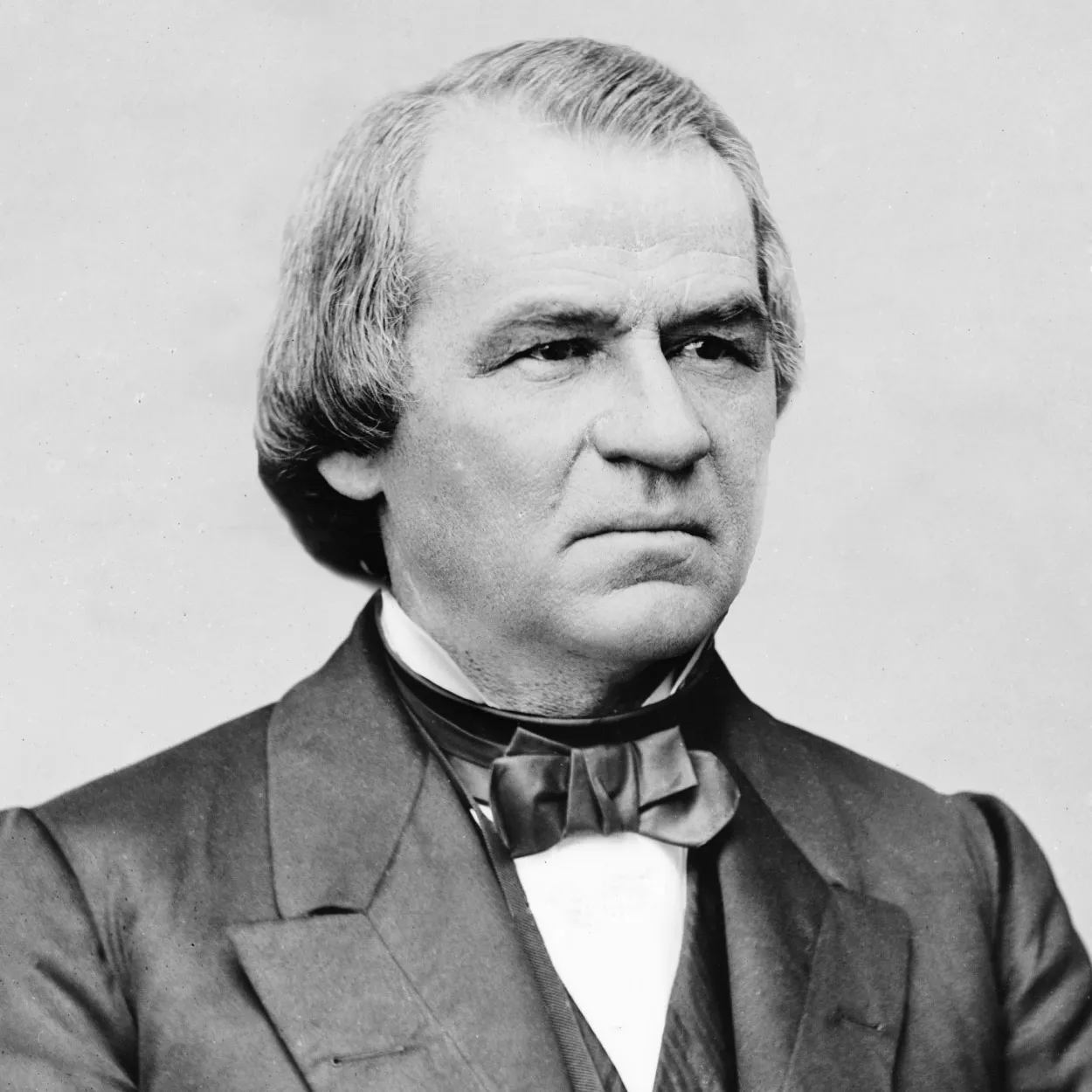
At the same time, democratic governments were regain power a crossed the south east as due to the lenient reconstruction policies enacted by President Johnson. Andrew Johnson, who was sworn into office after Lincoln's assassination, was an old fashioned democrat with southern origins. Predictably, the president held southern sympathies which influenced his political decisions. While in term, he enacted policies that gave democrats a free hand in controlling the black population and refranchised thousands of former confederates, including Jefferson Davis. Consequently, the democratic party rebuilt significant political influence in the south through campaigns that promised to restore the southern way of life. 

Under these redeemers governments, called such because they sought redemption for the loss of the Civil Warm, the rights of African Americans were flagrantly and consistently violated. One such example can be found in the Black Codes which were designed to ensure that there was as little change from slavery to freedom as possible. 

Within this legislation was a Vagrancy Clause which outlawed joblessness and homelessness among African Americans. Since it was not uncommon for recently freed black citizens to be without a home or a job, many were arrested and fined. If the defendant could not pay their fee, which was a common outcome considering the socioeconomic status of many African American during this point in history, they would be forced to work for free. Essentially, democratic governments crafted a means to effectively bypassed the thirteenth amendments and reinstall a from of black servitude with their society. 

Expectedly, tensions rose between the races and boiled over in May of 1866 with the Memphis Massacre where forty-eight Americans were killed. Unfortunately, this was not an isolated event as additional forty people died due to mob violence in New Orleans. In other locations, there was casual interracial violence and arson, prompting the federal government to reconsider its approach on reconstruction. By 1867, the federal government had reenkindled its efforts to rebuild the south with the proposal of the fourteenth amendment and the instatement of the first military reconstruction act. Furthermore, the central government demanded that southern states revise and reconstruct their constitutions to align with the progressive policies of the reconstruction era.

The first three years immediately following the Civil War as discussed in this blog are considered to be the most most momentous, hopeful, and fearful in African American history. It was an era wherein the people of the United States attempted to rebuild their country in a way that would match the ideals set forth in the founding documents. Simultaneously, the commitment of blacks to the practice of democracy was revitalized which led to greater progression as the nation moved through the latter half of the nineteenth century. 

Sunday, October 20, 2024

EOTO Presentation (The Failure of Reconstruction)

Immediately following the surrender of southern forces on April 9, 1865, union leadership was faced with a complicated dilemma, reunification. One argument developed in a republican dominated congress and favored strict policy, disenfranchisement, and a remodeling of southern society as exemplified by the iron clad oath and military reconstruction acts. From a congressional perspective, the South had committed treason of the highest order. Following this logic, congress argued that the North had the authority to occupy and remodel the southern way of life.

On the other hand, President Lincoln and the executive branch sought to implement a more lenient plan in hopes of facilitating a peaceful integration. Instead of the iron clad oath which required a majority of the southern citizens and politicians to pledge their support to the union, Lincoln proposed a ten percent plan; Lincoln’s resolution declared that a southern state could be readmitted into the union if ten percent of the 1860 voters of that particular state swore loyalty to the Union. 


The United States was soon enthralled in fierce political debate; some considered Lincoln’s principles to be too forgiving while others believed congress’s method to be vindictive. Before this pressing issue could be adequately settled, President Lincoln would be assassinated six days later on April 15, 1865. 


Taking office in place of Lincoln, President Johnson would inherit the lenient propositions of the executive branch, enacting such policy when congress was out of session. Johnson, however, would take reconciliation even further by continuously lowering the requirements for southern readmission. Johnsons would also employ the Amnesty Proclamation whereby he offered over 13,000 presidential pardons to members of the confederacy. In December 1868, the seventeenth president of the United States would offer a sweeping pardon that enfranchised thousands more confederates, including the former president of the confederacy, Jefferson Davis


At the same time, redeemer governments fought northern influence and attempted to restore the southern way of life. These governments were able to gain power as a direct result of lenient policies regarding confederate enfranchisement and the lack of sanctions on confederate political leadership. Under these democratic governments, several measures were passed to limit the newfound freedom awarded to African Americans by the 13th, 14th, and 15th amendments. Notably, black voters were subjected to grandfather clauses, poll taxes, and literacy tests which were inherently unfair. Through these agents, redeemers governments were able to strip the right to vote awarded to black Americans by the 15th amendment. Furthermore, an entirely white supreme court stunted black progress through discriminatory rulings, such as the Civil Rights Cases and Plessy v. Ferguson. In both cases, the supreme court ruled in a way that put the interests of black people below those of white people.  


At the same time, supremacist organizations, such as the Red Shirts and the KKK, terrorized African Americans. In 1876 there were 90,000 African American voters in South Carolina. By end of century only 3,000 remained due to lynchings, beatings, and other forms of racial violence; Black Americans were forced to chose between exercising their freedom to vote and their life. To many, life was more important to suffrage. Within the capitol building, a similar situation unraveled in congress. In 1876 there were 17 African American congressmen, over 600 black state legislators, and hundreds of more colored citizens holding state offices. By 1886, only a few African Americans remained in politics and there would not be another black senator until 1967 due to the violent political climate of the time.

The failure of reconstruction can be attributed to the decision of the federal government to prioritize peace over justice. Through passive policy and political generosity, the union allowed the democratic party to overturn the verdict of America's bloodiest war. Furthermore, the north attempted to reunite the country without expending a large amount of military and monetary resources. As a direct result of these actions, terrorism and injustice reigned supreme in the south, further reversing black progress. At the end of the nineteenth century, reconstruction failed to provide African Americans with political rights, personal security, equality, or economic freedom; rather, it cemented inequality under the law through the guise of the separate but equal doctrine.


Tuesday, October 15, 2024

Gone With the Wind Reaction

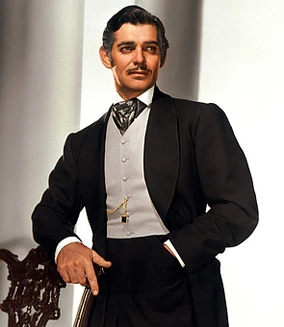
While the entire film was a masterpiece in and of itself, Clark Gable's character Rhett Butler captivated my interest for the entirety of the showing. In the beginning of the movie, the handsome Ashely Wilkes throws a lavish party, inviting several members of the southern gentry. During the congregation, the affluent discussed the recent turmoil in the country and the possibility of a civil war. At some point during the conversation, nearly every gentleman, including Mr. Hamilton and Mr. Wilkes, voices their belief that a southern victory would come swiftly if war was to come to fruition. 

However, Mr. Butler refused to share the aforementioned sentiments. To support his argument, the gambler elucidated that the south lacked industry and naval forces necessary for victory. Therefore, he argued, the southern confederation did not stand a chance against union forces. Unwilling to consider Rhett Butler's position, the gentry ridiculed and threatened their opponent. Consequently, Mr. Butler elected to leave the gentlemen to their thoughts despite their fallacious nature. 

Later in the movie, it is revealed that Rhett Butler had amassed a great deal of fortune and influence through his position as a blockade-runner, smuggling supplies and luxuries from England to the South. At the same time, Butler found additional sources of income in the form of food speculation and gambling. Such actions were considered deplorable by the confederate Old Guard, characterizing Mr. Butler as an outsider. More importantly, Rhett Butler's fortune and fame was a direct result of the war which was morally inexcusable to many southerners. 

This sentiment was not usual, however, many businessmen used the civil war to increase their profits; Andrew Carnegie used the tremendous demand for steel to grow his industrial empire while Jay Cooke used government bonds to increase his net worth. 

Such a tendency was not isolated to the civil war either. Recently, democratic and republican politicians, such as Kevin Hern, profited from the twenty year war in Afghanistan through various holdings-totaling nearly one million dollars-in defense contractors. It is important to note that such a conflict of interest is not justified by its prevalence throughout history and modern times; in all cases, it is morally and socially wrong to profit off of the death and suffering of thousands of people. 

Unlike any of his real world counterparts, Mr. Rhett Butler redeems himself at the end of the first part of the film. After saying goodbye to Scarlett, Butler sets off to join the confederate army in the final eight months of the war, hoping to preserve the old south he grew up in despite its imminent collapse. Such an action juxtaposes Butler's early prediction about the fall of the south at the hands of the union and his earlier decision to distance himself from the war effort, highlighting the fascinating internal conflict and complexity of Clark Gable's character. 

A Historical Argument for the State (Mock Trial)

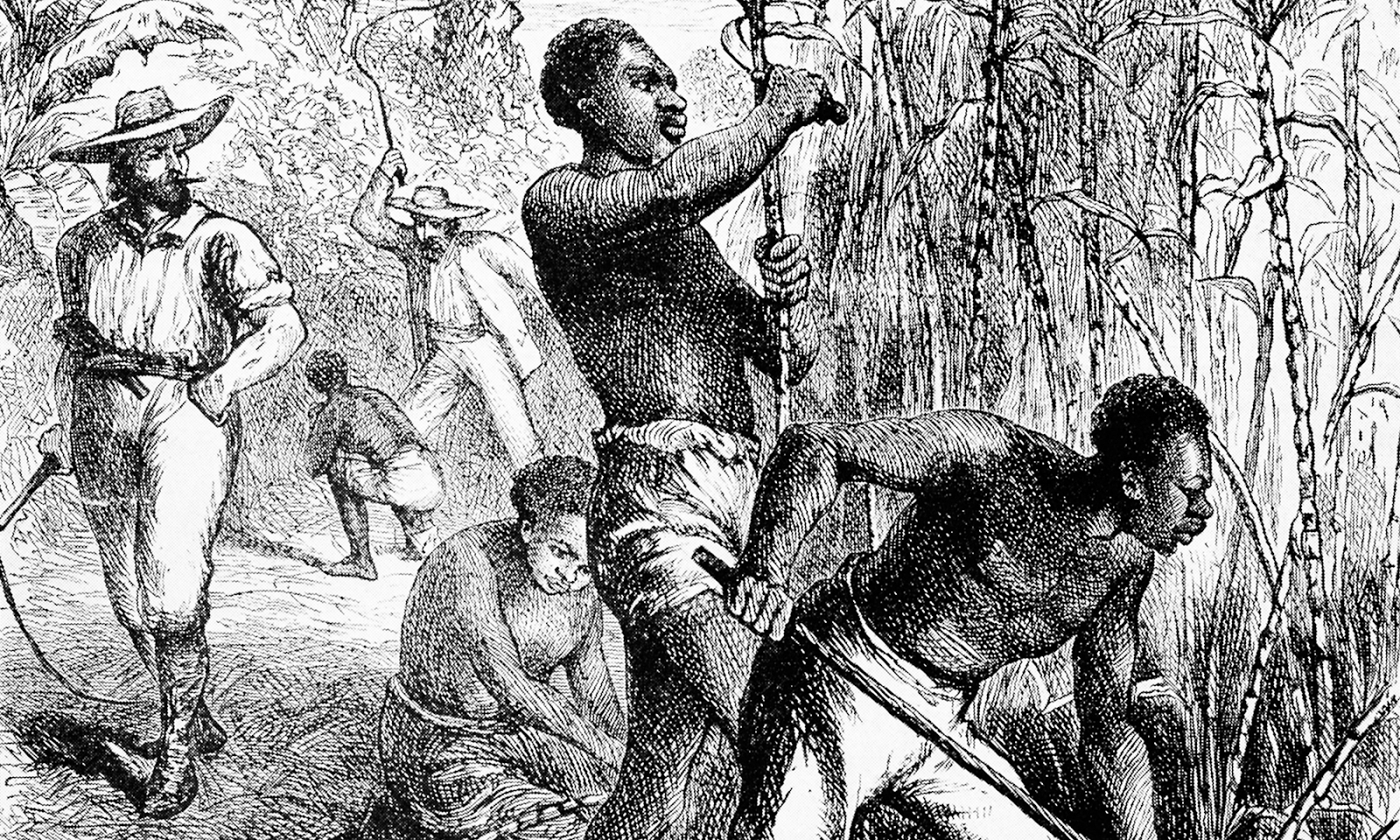
As it stands, the United States of America is entrenched in critical discussion over the role of the slave. While both sides present logical and rational arguments, history lends its expertise in favor of the state's position. Twenty-one years ago, this great nation voted to prohibit the international slave trade on several moral, legal, and economic arguments under the leadership of the Jefferson administration. 

Merely eight years later, the American Colonization Society was founded as an alternative approach to the divisive issue of slavery. Instead of advocating for emancipation of African Americans, the ACS directed its efforts to the creation of an independent nation for the sole purpose of relocating freedmen. 

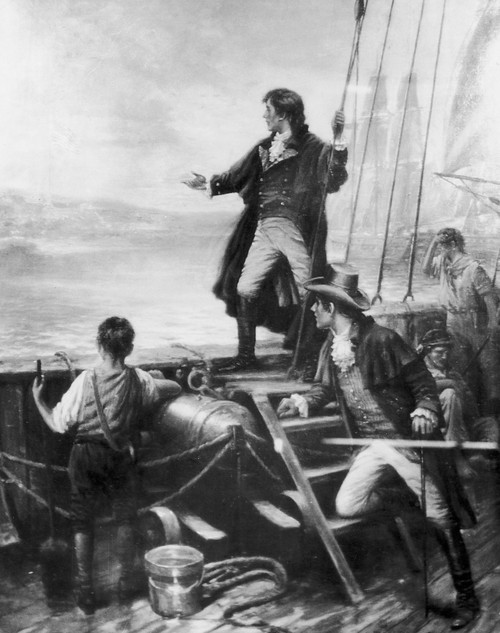
This ideology was based on the belief that black people could not enjoy the same freedoms and privileges of white people in American society. Therefore, proponents argued, the only way to ensure prosperity of the white and black peoples was to separate the races entirely. Notably, the aforementioned society is ardently supported by influential figures of our time, such as Songwriter Francis Scott Key and Politician Henry Clay. Despite the significant efforts of the ACS, however, there continues to be no tried and true resolution to the issues at hand. Regardless, the actions of the society represent our nation's attempt to approach the slavery issue from a new perspective; if anything is clear, it is that our current position is no longer viable. 

In the present, embers of a great religious fever glow in the dens of our society, stoked by the words of the great evangelist, Charles Grandison Finney
Pastors, priests, and other religious leaders travel from coast to coast spreading the word of god; they encourage reform and a "purification" of American society based on an anticipation of the Second Coming. Consequently, the Christians of our society have been motivated to reconsider the cruel institution of slavery and unholy nature of bondage. 

Through an observation of recent American history, it is clear that this nation as a whole is moving away from slavery for a myriad of reasons. While such rationale for change is hardly consistent, it is clear that the objective of such movements remains constant across the nation.

In an effort to predict the result of this trajectory, we can look upon the efforts of the Englishmen. As we convene, the parliamentarian William Wilberforce campaigns against slavery with great success; on the other side of  the pond, the British appear to be headed in the same direction as ourselves. If we have any respect for our mother country–which we ought to considering her borders spanned the entire globe at one point–then we should feel encouraged by her efforts. 

However, England does not stand alone. France has also become enthralled in the abolitionist movement behind the leadership of Victor Schoelcher. Moreover, we should not forget the efforts of Spain’s Agustín de Argüelles who successfully convinced the Spanish assembly to outlaw the slave trade in 1812 after being inspired by British abolitionism.

Considering the recent history of this country and others, the facts of the matter suggest the beginning of a powerful anti-slavery movement. In this procession, we have the opportunity to hold our nation back against a powerful tidal wave of social progress, or open our sails and embrace the change that will lead to the progression of this nation as a whole. 

Thus, in an effort to move our country in the right direction, we assert that slaves are not property, but human beings. Therefore, the prosecution asserts that Mann was rightfully convicted for the assault and battery of Lydia.

Board of Regents v. Backy Trial Reaction

In the early 1970s Davis Medical School , chartered by the University of California , attempted to increase the diversity of its student bod...